

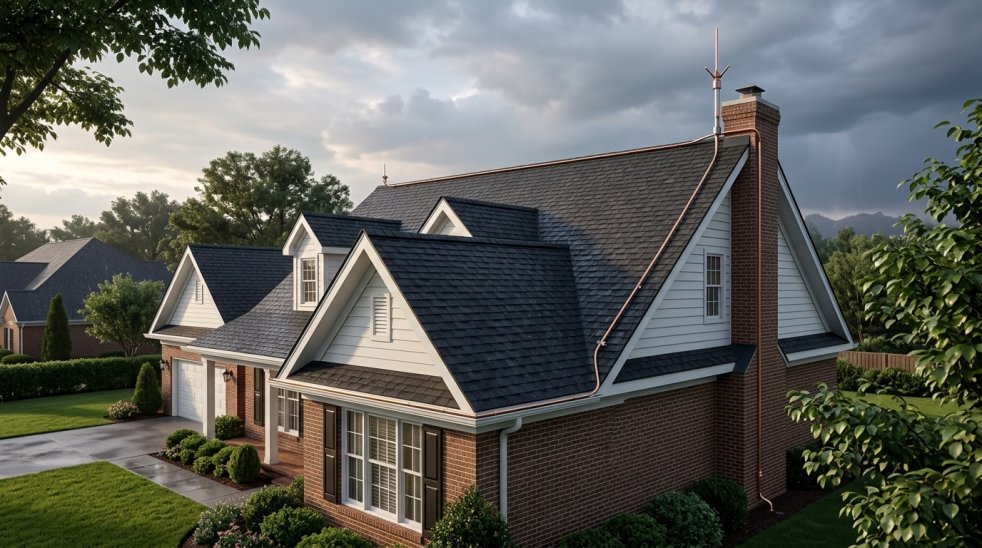
The Importance of Lightning Rods
What Homeowners Need to Know
Lightning is more than a dramatic weather event; it’s one of the most powerful natural forces on Earth. Each year in the United States, lightning strikes the ground about 25 million times, causing more than $1 billion in property damage annually, according to the National Weather Service (NWS). With storms becoming more frequent and intense in many regions, understanding how to protect your home or business has never been more important.
Lightning rods, also known as lightning protection systems, offer one of the most reliable defenses against structural damage. Though simple in concept, they play a critical role in preventing fires, explosions, and costly electrical destruction.
Why Lightning Strikes Are So Dangerous
Lightning can deliver temperatures hotter than the surface of the sun and electrical currents exceeding 30,000 amps. When that kind of force hits a structure, three major risks follow:
-
Fire ignition: Many lightning-related home fires start in the attic after a bolt superheats building materials or wiring.
-
Structural damage: Shock waves from a direct hit can fracture chimneys, weaken roofs, or damage framing.
-
Electrical destruction: A bolt can surge through wiring and plumbing, destroying appliances and expensive systems instantly.
Even if your home or business has never been struck, the risk is higher than most people realize. The National Lightning Safety Council reports that the U.S. sees thousands of insurance claims every year for lightning-related property losses.
How Lightning Rods Protect Your Property
A lightning rod isn’t designed to “attract” lightning. Instead, it provides the safest possible path for electrical energy to follow.
A complete lightning protection system typically includes:
-
Air terminals (lightning rods): Strategically placed on rooftops to intercept lightning strikes.
-
Conductors: Heavy-duty cables that safely carry the electrical charge downward.
-
Grounding system: Buried rods that disperse the electricity harmlessly into the earth.
-
Bonding: Connections that equalize potential across metal systems, reducing side-flash risks.
-
Surge protection devices: Added defense for electrical panels and sensitive equipment.
When properly installed, this system redirects lightning away from your structure and channels the energy safely underground—reducing the risk of fire, electrical surge damage, and personal injury.
Who Benefits Most from Lightning Protection?
While every property can benefit, some structures face particularly high exposure:
-
Homes or buildings on elevated terrain
-
Structures with metal roofs, tall chimneys, or rooftop equipment
-
Properties in states with high lightning density (Florida, Texas, Louisiana, etc.)
-
Historic buildings or older homes with aging wiring
-
Businesses with critical systems (IT infrastructure, refrigeration, security systems)
If your home or business falls into one of these categories, a lightning protection system isn’t just smart—it’s a long-term safeguard against preventable damage.
Common Myths That Put Homeowners at Risk
-
"Lightning never strikes the same place twice." - It absolutely does. Tall or exposed structures may be struck repeatedly.
-
"Surge protectors are enough." - Surge protectors help, but they do not prevent structural fires or roof damage from a direct strike.
-
"My home is grounded, so I’m protected." - Standard grounding systems are not designed to handle a lightning-level electrical load.
Understanding these myths helps homeowners make informed decisions rather than relying on assumptions that leave them vulnerable.
Making Lightning Protection Part of Your Safety Plan
Installing lightning rods is a proactive investment, not a reaction to disaster. With the average lightning-related insurance claim exceeding $12,000, according to the Insurance Information Institute, the cost of prevention is far lower than the price of repairs.
To determine whether your home or business needs protection, consider:
-
The height and roofline of your structure
-
The storm frequency in your region
-
The value of the equipment and systems you rely on
-
The age of your building and electrical system
A certified lightning protection specialist can conduct a full evaluation and recommend a system tailored to your property layout.
Bringing It All Together: Why Acting Now Matters
As storms intensify and lightning claims rise, protecting your property is no longer optional—it’s a critical part of modern safety planning. A properly installed lightning rod system safeguards not only the structure but also the people and assets inside.
Ready to take the next step? Conduct a quick safety assessment today:
-
Do you live in a state with high lightning activity?
-
Is your home or business located on a hill or open area?
-
Do you rely on expensive electronics or essential electrical systems?
-
Has your property been updated with modern surge protection?
-
Have you consulted a certified lightning protection professional?
If any of these questions raise concerns, it’s time to speak with a qualified installer. Your property—and your peace of mind—are worth protecting.